
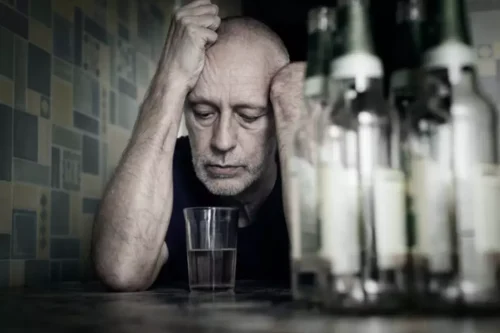
Establish a healthy routine that prioritizes self-care and healthy habits. This includes regular exercise, eating a healthy and balanced diet, getting enough sleep, and staying sober. It’s also important to find healthy ways to cope with stress and emotions, such as mindfulness meditation, yoga, or deep breathing exercises. These practices can help calm the mind and reduce anxiety, which can be helpful during times of stress. But you’ve done the hard work, finished addiction treatment, and now, the journey towards rebuilding your life and finding purpose after addiction begins. Or perhaps you’re already dealing with setbacks, relapses, and moments of doubt.

Make a plan to overcome challenges and setbacks
A local support group is a great place to start; it’s free and there’s zero commitment. Sober living homes are another option for aftercare support for addiction recovery. These homes provide a safe and supportive environment for individuals in recovery and typically have rules and regulations that residents must follow in order to stay sober. If you encounter challenges along the way, don’t hesitate to seek professional help.
Seek Ongoing Treatment For Underlying Issues
The journey beyond addiction brings a sense of accomplishment and empowerment that is truly transformative. The initial steps often involve seeking professional help, like engaging in alcohol treatment in Scottsdale, Arizona, which is crucial for laying the groundwork for lasting change. In view of possible relapse after treatment, New Method Wellness effectively combines clinical and holistic evidence-based practices to equip clients with meaningful tools. The purpose of integrating adjunctive treatment is to help the whole person, not just the symptoms of the substance use disorder or co-occurring disorder. Holistic therapy opens up doors to endless possibilities, such as helping people discover new interests in art, history or a sports activity.

With social network:
It’s only natural to feel healthy, reinvigorated, and on top of the world once you get clean, but it’s important not to take on too much at once. Commemorate the significant milestones of your recovery, such as the anniversary of your last use or the completion of a treatment program. Celebrate the development of new coping skills, the strengthening of relationships, or the achievement of personal goals. The first step in starting over after rehab is figuring out what you want out of life and what you want it to look like.
Addressing your physical and mental needs can help you avoid stress, which can trigger cravings and increase the risk of relapse. A career is a form of identity and the field of work which a person performs will say a great deal about that person. Career counselors work with clients to narrow down what kind of job they want. Jobs with a lot of exposure to alcohol and stress, notably in the service industry, are unlikely to meet the criteria. Certain jobs can legally disqualify employees who have a background in an abuse scandal or felony convictions and this need also to be factored into job searches. Career advisors’ help is invaluable because they can advise someone throughout most tougher aspects of a job search journey.
Learn to love yourself and reclaim your life after addiction
When you have too much time on your hands and nothing to do with it, your thoughts are more likely to spiral. You may find yourself overthinking, falling into old patterns, and ultimately reaching for substances again. And that only ends one way – with another visit to a marijuana rehab center for addiction treatment, so don’t let yourself get too idle. While everyone needs a day off here and there, most people thrive when they get to fill their days with doing things they enjoy. There is no doubt that perfectionism can hinder addiction recovery. When you constantly expect yourself and others to do everything perfectly, you quickly end up disappointed.

Cognitive Behavioral Therapy for Addressing Depression in Rehab Facilities
Rebuilding one’s life after addiction is about more than attaining sobriety – it encompasses the transformation of your lifestyle, relationships, and personal goals. With the proper guidance, resources, and support, a fresh start is not just possible; it’s within reach. Below, we explore the next steps one can take to reclaim their lives and journey towards a renewed sense of self and purpose.

It’s essential to be grateful for what you have in life, no matter how small. Practicing gratitude can help you shift your focus from what you don’t have to what you do have and can help you find meaning and purpose in your life. Addiction can take over your life, leaving little room for hobbies or passions. This will give you a sense of purpose and fulfillment outside of your addiction. When you’re caught up with addiction, it becomes your purpose in life. You spend most of your time getting high or thinking about how you’ll get high.
- The problem is that food provides a stimulation to the reward center of the brain that is similar to the effects of addictive drugs.
- Kindness and compassion to yourself and others is the key to healing ourselves and each other.
- If you have debt, we suggest getting help from a financial advisor to make a plan to pay it off.
Building a Strong Foundation: The Power of Structure and Routine in Recovery
Whatever stage you are currently at in recovery from active addiction, now is a great time to reaffirm your commitment to moving forward and reevaluating your recovery program. When you put drugs and alcohol behind you, there is no limit to what you can accomplish. Engaging in meaningful activities and hobbies brings joy, fulfillment, and a sense of purpose to daily life. Whether pursuing artistic endeavors, participating in volunteer work, rebuilding your life after addiction or exploring new interests, these activities provide a healthy outlet for self-expression and personal growth.
- But in reality, recovery will always need to stay a point of focus in your life.
- Social scientists investigate numerous elements of social connection in relationships, such as social isolation, social integration, relationship quality, and social networks.
- Picture yourself mending broken relationships, achieving personal goals, and feeling empowered to tackle new challenges.
- Learn about acceptance-based and change-focused skills in recovery.
- Setting realistic goals provides direction and motivation during recovery.
- Similarly, some illicit drugs can cause lung disease, brain damage, or abnormal heart conditions.
- Choosing the right setting for recovery is crucial, as it fosters the mental clarity and peace needed to focus on self-improvement.
- Establish a healthy routine that prioritizes self-care and healthy habits.
- Your path to healing is unique, and it’s okay to take it one day at a time, always treating yourself with kindness and patience.
- Believe it or not, even people without any mental health issues can benefit from therapy.
- Get yourself into the habit of going to bed early and rising early every day.
- It’s natural to feel a range of emotions, including anger or resentment toward yourself.
Part of rebuilding your life may involve addressing these issues head-on. Seek legal advice if necessary, and work on managing debts and improving your financial situation. Financial stability can reduce stress and contribute to a sense of security and well-being. The first step in getting help for these addictions should be to see a doctor who is qualified and experienced in providing medication-assisted treatment for substance use disorder.